
The Secrets of Guerrilla Warfare
Why superior technology doesn’t guarantee a victory in war.

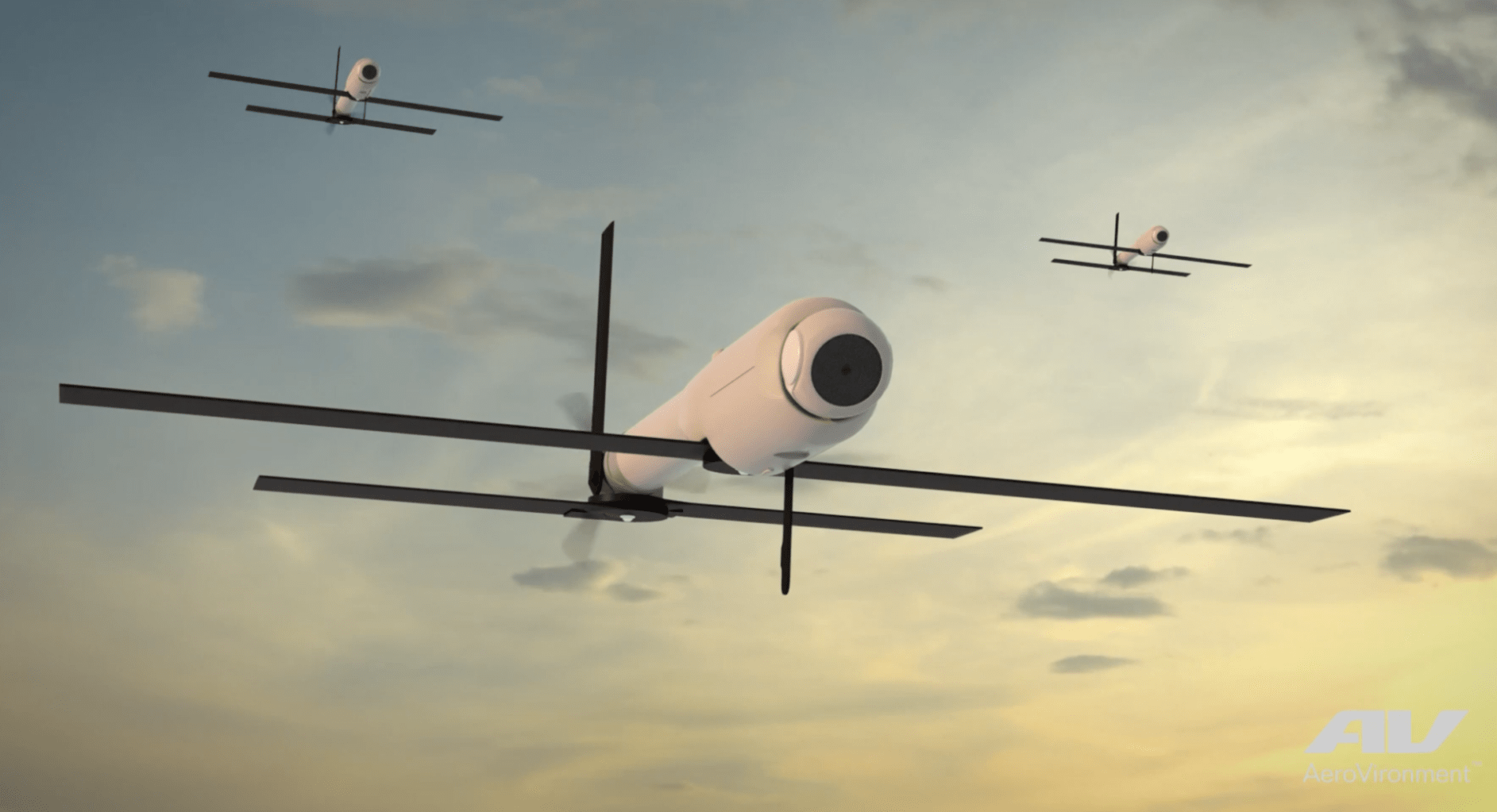
The Israel-Iran situation got me thinking about the nature of war and the underlying principles that drive the tactics and strategies employed. I came to understand that both countries have very culturally different ideas about war.
Understanding this difference makes sense of a lot of history and even personal conflicts.
The difference is between those who fight conventionally, colonially, from a position of advanced power, and those who fight using grassroots, people’s army guerrilla tactics.
I’ll try to get into this at a high level without getting lost in the weeds of historical battles like every writer ever who touches the topic.
The divide in perception is most visible between the West and the rest of the world.
Except Ireland.
The Irish Question
Depending on where you’re born, or your country’s history you have a totally different concept of war.
The “forces of darkness” aka countries that recognise Palestine, all have histories of guerilla warfare against advanced colonial power.
The Irish support Palestine not for ideology or religion or leftism or anything like that.
We were genocided and won our freedom through asymmetric guerilla warfare. Like the minutemen at Lexington.
We joined the first world western democracy sphere and presumed this darkness could never happen again, so to see it is, at the hands of former victims like us… it’s a shock to say the least.
It’s a mirror that says “do we have it in us to do this too?” and we are disgusted and repulsed by the idea of being the oppressor.
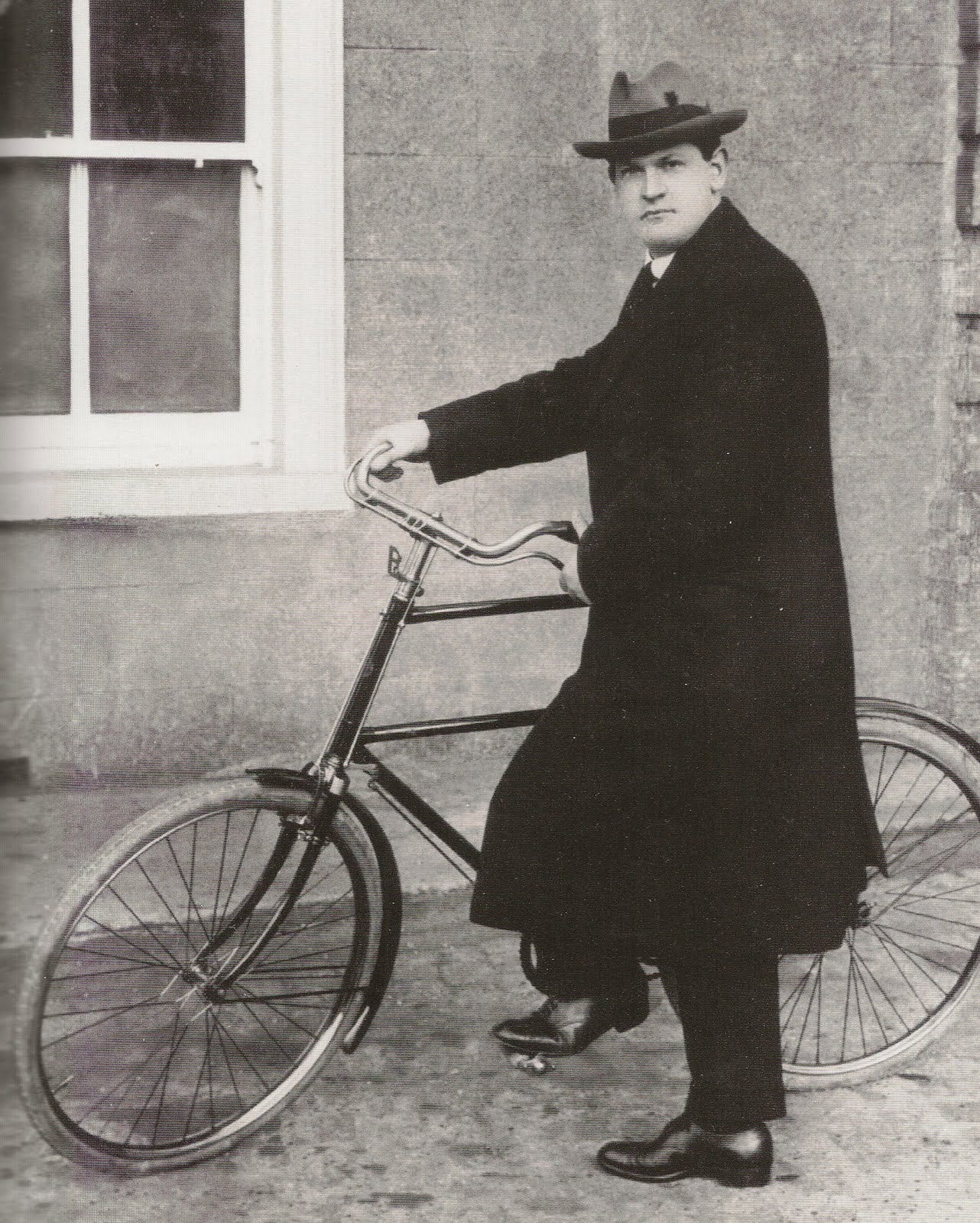
Ireland freed itself from the British empire at it’s WW1 war machine peak with a bunch of guys on bicycles with revolvers.
The minutemen pushed back the worlds premier armed force at Lexington.
A bunch of undisciplined, raggedy and unruly peasants conquered Europe under Napoleon.
Asymmetric warfare is effective when your resolve, creativity, provisions, and public support can outlast the adversary’s budget and morale.
Iran has a conventional force but fight with the asymmetric mentality. Israel is the opposite.
They have all the asymmetric hybrid warfare tools on earth but use them with the conventional, tactical mentality. Everything is an overkill projection of expensive destructive force or an expensive surgical strike.
But what even is Asymmetric Warfare?
I’m autistic, I got you.
Here’s my breakdown of the principles of Guerrilla Warfare.
Table of contents:
The Basic Idea
Decentralised Cell Structure
Morale and Support
Saturation Attacks and Swarms
Scavengermaxxing
The Hit and Run Strategy
Conclusion
The Basic Idea
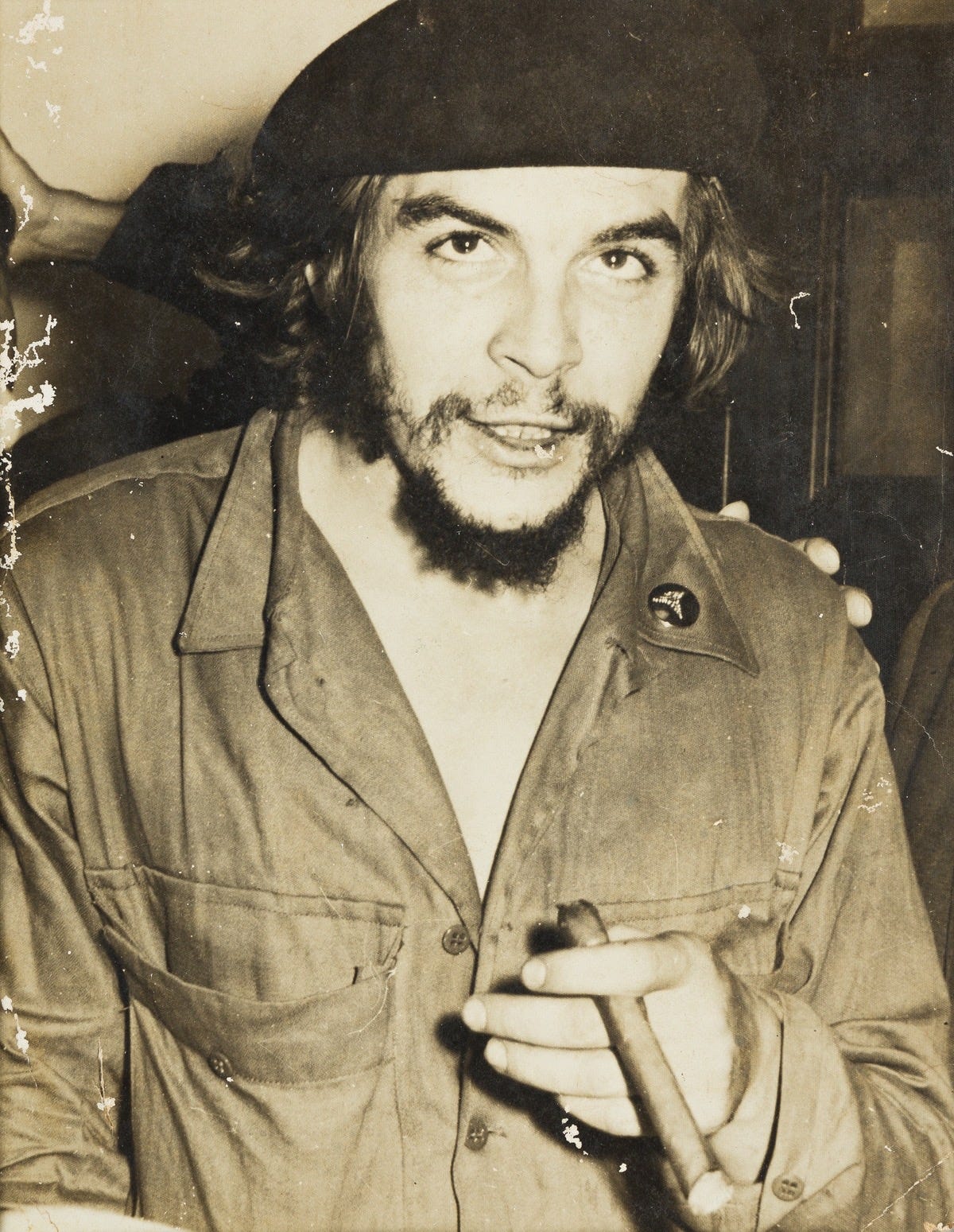
The most basic principle of Guerrilla warfare is simply to make the war as expensive, unpredictable and demoralising as possible for the enemy until they give up.
This contrasts with Conventional war, which focuses on dismantling an adversary’s apparatus through discipline, precision, tactics, logistics, and having superior weapons.
Guerrilla war is about causing as much chaos as cheaply as possible. For Free if possible. It’s a psychological war. Whereas a conventional force wages a kinetic war, unable to win hearts and minds.
Decentralised Cell Structure
Conventional forces have clearly defined, hierarchical, chain-of-command structures, communications networks, and information-sharing across the military. Some employ limited decentralised command to great effect such as the USMC.
The unconventional force is another story. It’s build to resist destruction by a superior force.
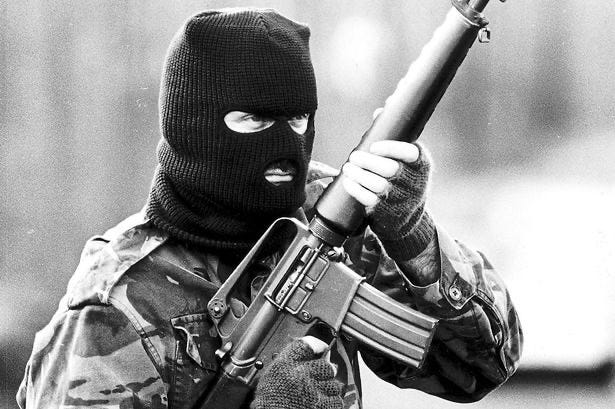
Unconventional forces organise in decentralised cells. A cell is an active group of fighters. The cells have their ideology, goals, and training, and figure it out as they go along. Free to plan attacks and provision themselves on the fly.
The more cells talk to other cells, the more vulnerable the movement as a whole is.
No one cell should know too much about another cell.
Inter-cell communication, even the figurehead commanders of the movement are kept as barebones and secret and unhackable as practically possible to minimise the consequences of infiltration, hacking, snitches revealing too much, and to avoid capture/torture/killing of members.
Iran has reportedly moved to fully activate what it calls “Decentralised Mosaic Defence” doctrine, restructuring the Islamic Revolutionary Guard Corps (IRGC) into 31 autonomous operational units, one aligned with Tehran and 30 corresponding to provincial commands.
Morale
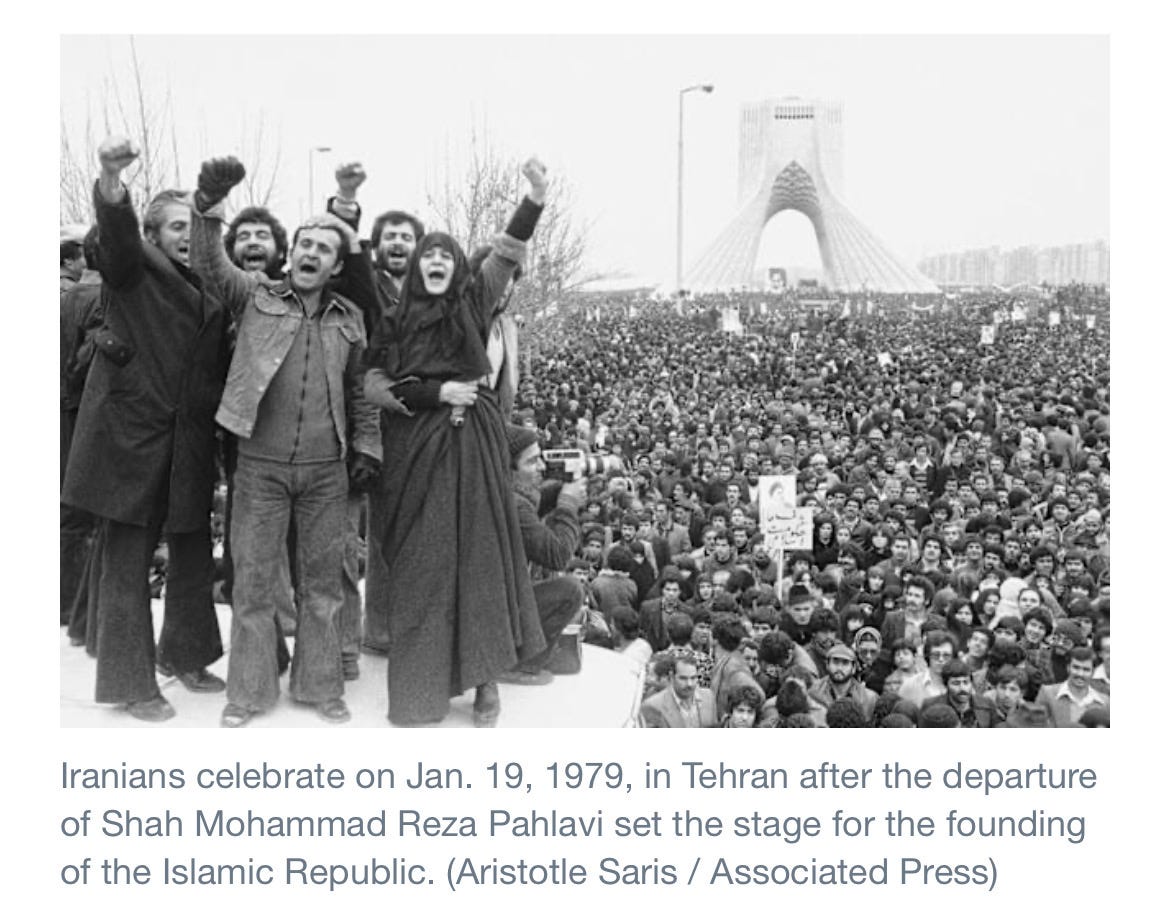
“the shepherd is struck, the sheep will be scattered.” Zechariah 13:7
This is how Judeo-Christians think war works. But this doesn’t work on ideologically-driven unconventional enemies. They reform their cells and multiply even stronger.
Killing Ayatollah did not demoralise Iranians. It basically made him a martyr. It brought the Iranians closer and strengthened their resolve.
Thousands flooded the streets to mourn and dance and come together.
The school bombing was also supposed to demoralise them, but will be used to recruit 1000x more troops than were lost in the strikes.
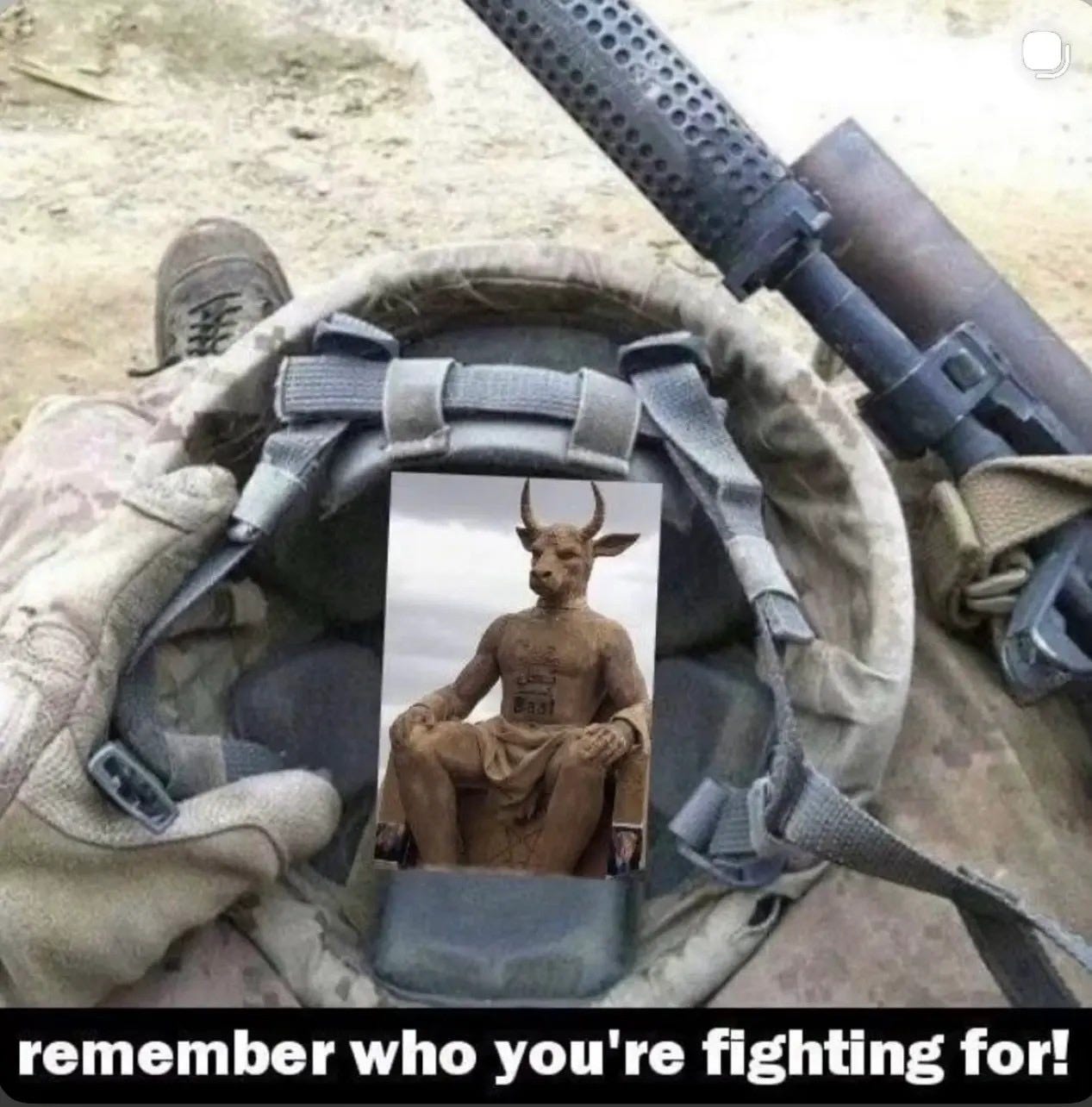
How can you expect them to give up or overthrow the government when their leader and children were killed 2 weeks after they burned Ba’al. To Iranians this is proof the west is demonic.
This is the antithesis of psychological warfare.
It’s colonial terror. Which breeds enemies.
Guerrilla warfare is not about showing force. It’s about putting the idea in your enemies head that despite being much better trained and equipped, fighting you is too expensive.
For the conventional force fighting guerillas, an invisible, vaporous ghost is hunting them and today may be the day. Anybody could be the enemy. Everything is a trap. Everyone hates you and supports the enemy. Give up.
It’s cortisol. It’s paranoia. The conventional force blow the budget on better tanks, planes, drones and tech but the enemies just never seem to disappear. It never ends. Every enemy you kill creates 3 more. Every civilian you kill creates 10 more.
You realise it’s unwinnable and must either abandon the conflict, dial it way back to a manageable level, or attempt a genocide.
There is no “dismantling” an unconventional group because it operates on decentralised cells and destroying one inspires another to form somewhere else.
There is no “defunding terror” because terror is so cheap It’s basically free and mostly built on scavenging.
Terror, like a state, is just a projection of ideas upheld by actions.
A state, however, does need funds to function. Which is why they lose wars to illiterate farmers.
But in the age of drone warfare, rocket interception systems and Palantir knowing your exact bowl movements, maybe that’s not the case anymore?
Right?
Saturation Attacks and Swarms
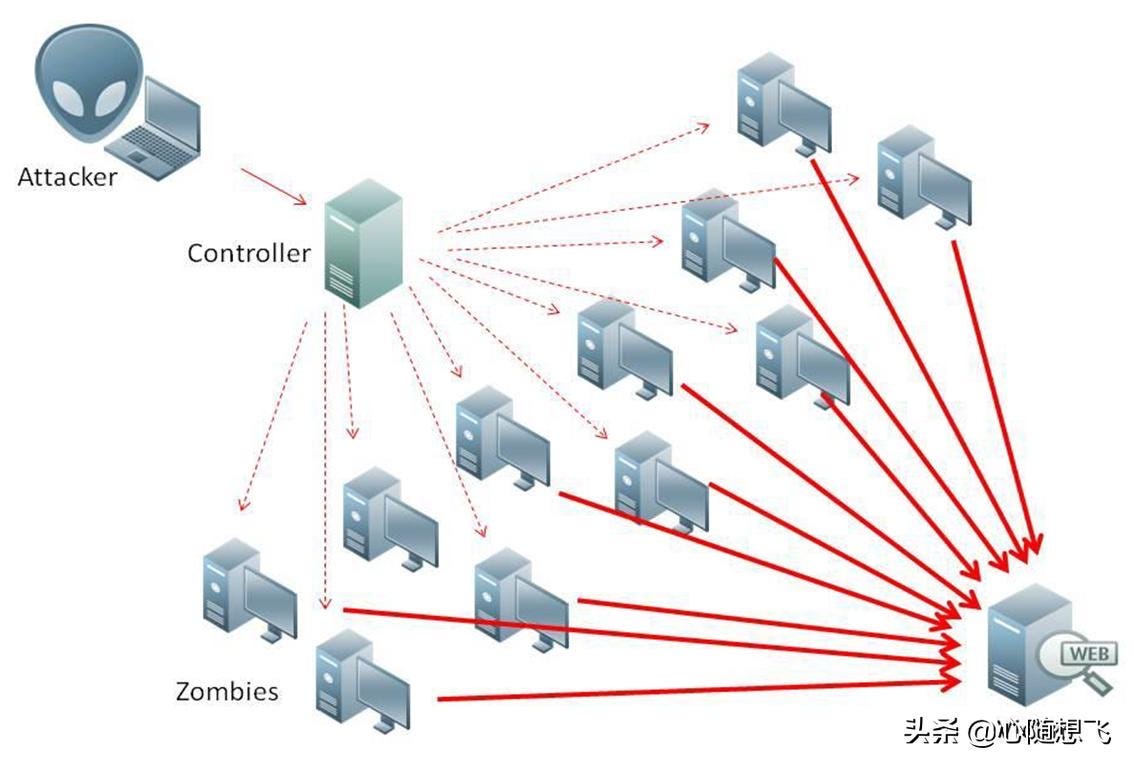
Saturation attacks are about overwhelming the enemy’s defence with sheer numbers to the point where even a fractional efficacy rate will destroy them. It’s a kinetic DDOS attack.
The Iranians use saturation attacks in their Truthful Promise campaigns to overwhelm missile defence systems, with only one or two rockets/drones per hundred getting through.
I believe they’re not trying to maximise damage. They’re going for the psychological pain and demoralisation of showing they can strike the unstrikable.
The Chinese used human waves in the Korean War. They died a lot but ultimately overpowered the Americans at first.
The Ukrainian and Gazan skies full of thousands of drones looking for something to kill. As soon as one goes another is deployed in an endless production line. The takeaway is a $1k drone can end a $1m tank, plane or helicopter.
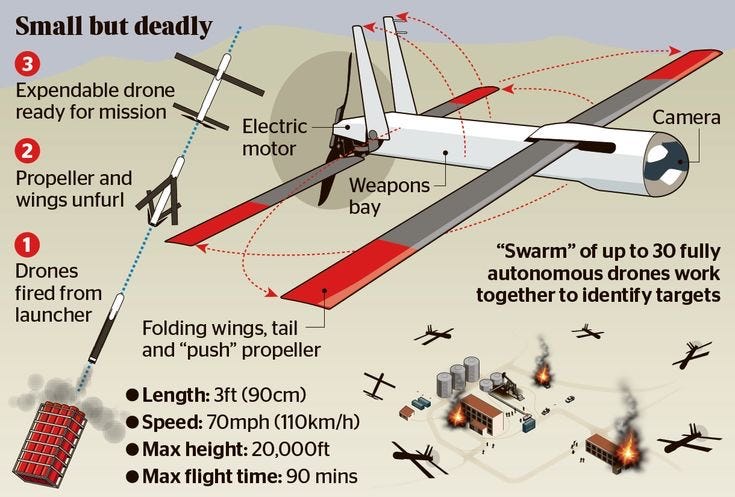
Both the Ukrainians and Houthis used explosive drone boat fleets to kamikaze unfathomably expensive ships for the cost of a hatchback. This is peak guerilla.
I would also classify ww2 kamikaze squadrons as Saturation Attacks.
Mexican cartels are often seen showing up with 20-50 armed men to confront their enemies or collect the rent from businesses.
Scavengermaxxing
I mentioned earlier a large part of guerrilla strategy is provisions. This is not the same as a conventional force. Conventional forces need supply chains, production lines, logistics management, and paying multiples of fair market value for goods from fatcat contractors.
This is not the way.
Unconventional warfare is cheap. Occupation is expensive.
Unconventional forces just take or make what they need. They supply themselves by:
stealing and scavenging from enemies.
They’re given provisions and shelter by supporters in the local populace. 9 times out of 10 the locals actually like them.
They improvise weapons from common items
They have a foreign benefactor
A guerilla force can’t operate effectively without local support. Without it, their movements are limited, everyone gets snitched on, and causes die very quickly. A foreign benefactor can extend a cell’s lifespan, for sure though.
One group, the Mujahideen, had both local support and foreign support from the CIA. Their goal was to expel the Red Army and communism from Afghanistan. They managed to pull it off and beat the Soviets. But you know what happened next.
The Hit and Run Strategy
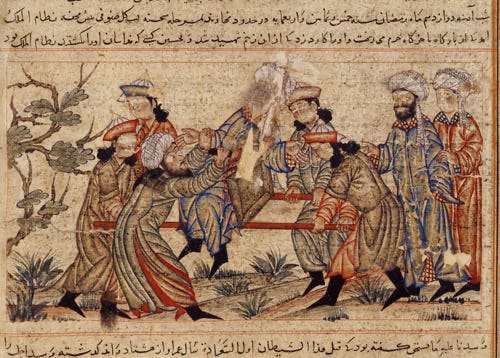
The Minutemen, the Hashashin, the IRA, street gangs, and even western special forces conducting offensive operations- they all aim for the Hit and Run.
In its simplest form, the Hit and Run is a drive-by shooting. It happens before you know what’s happening, and the enemy is long gone by the time you do.
The Hit and Run is fast, lean, efficient, and terrifying. It demoralises and baits the enemy to chase you into a trap.
The conventional opposite is Hit and Occupy. Think Blitzkrieg followed by ground invasion.
Anyway, in my opinion the biggest asymmetric warfare hit and run attacks of all time, in terms of global impact were:
The assassination of Archduke Franz Ferdinand
Pearl Harbour
9/11
Let’s look at 9/11.
A very short history recap and you’ll understand my reasoning:
After the Soviet Invasion, the Mujahideen was made up of various nationalities and subtypes of Islam, and they began infighting about where to take the country now that they won.
The Taliban emerged from the Muj to make Afghanistan an Islamic emirate.
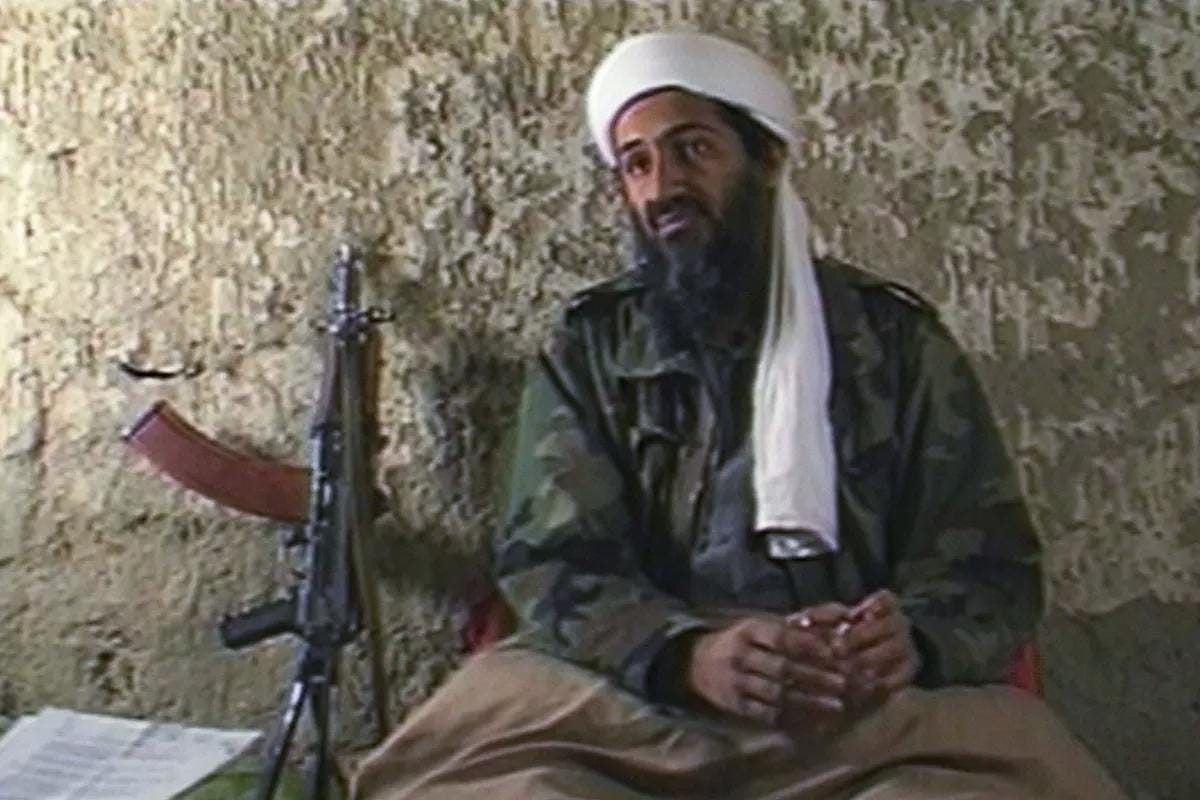
One of the Mujahideen’s members was a wealthy Saudi Arabian by the name of Osama Bin Laden.
He believed the Arab and Western worlds were overtaken by Zionism and planned attacks to unite all Arabs in Jihad (holy war) against the west, Israel, and what he saw as corrupted “apostate states” in the Middle East.
You know the rest:
9/11.
War on terror.
He hides in Pakistan for 10 years.
Americans pay trillions to send their own to die.
Taliban shoot at them with stuff the CIA gave them and the soviets left behind (Scavengermaxxing).
2 decades pass. It’s too much. Too much money is being spent and too many lives are being lost trying to force people to accept democracy, but they just don’t want it and never have. Fuck Afghanistan. Leave it.
Taliban take office again.
Leave billions worth of military hardware for them too.
Loot drop of the century.
Conclusion
So… does superior technology guarantee victory in war? History says no.
It guarantees destruction, spectacle, headlines, expenditure of treasuries and lives, and drone footage on social media. What it does not guarantee is surrender.
War is not won by deleting targets from a map. It is won by breaking the will of the enemy.
And asymmetric warfare is built specifically to make that impossible.
A decentralised movement with ideological conviction, local support, and nothing to lose does not collapse the way a conventional state does.
You can decapitate it and it grows another head. You can bankrupt yourself trying to intercept every cheap drone with a million-dollar missile.
You can kill leaders and manufacture martyrs. You can dominate the sky and still never own the ground beneath your boots.
Technology changes the tools. It does not change the psychology.
Empires think in terms of apparatus. Guerrillas think in terms of cost. If they can make your presence more expensive than your pride can tolerate, they win. Not because they destroyed you, but because you eventually walk away.
The uncomfortable truth is that war is not a contest of hardware. It is a contest of endurance, legitimacy, and narrative.
And the side that can fight forever on almost nothing will always have a kind of advantage that no weapons system can fully erase.
Superior technology can win battles.
But it cannot, by itself, win a war.
"Loot drop of the century."
Depressingly funny 🤣